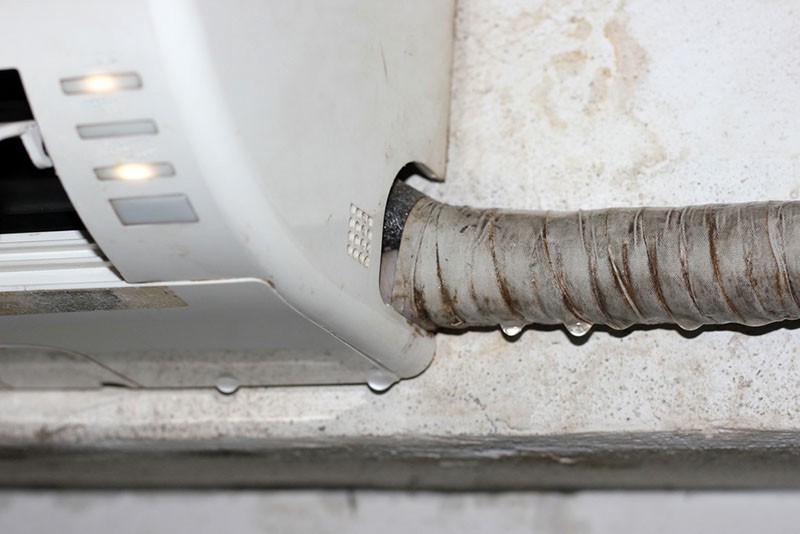
If your AC is leaking water in Republic, MO, you’re usually dealing with one of two things: a clogged condensate drain line or a frozen evaporator coil that’s melting. The hard part is that both can leave a puddle by the furnace/air handler, stain drywall, or drip into a closet ceiling—so homeowners often guess wrong and restart the system, which makes the mess worse.
The good news is you can figure this out quickly by focusing on when the water shows up, whether there’s ice, and what your airflow feels like.
First: Stop the situation from getting worse
If water is actively dripping near the indoor unit, turn the thermostat to OFF. If you suspect the coil is frozen (weak airflow + poor cooling), switch to FAN only to start thawing. If water is near wiring, the control board area, or an outlet, shut the system off at the breaker to avoid electrical risk.
Now you can diagnose without feeding more water into the problem.
The fastest way to tell which problem you have
A clogged condensate drain line tends to leak during operation. It’s usually a steady drip, sometimes with gurgling.
You’ll often notice:
water pooled at the base of the furnace/air handler
a wet overflow pan (secondary pan)
musty odor near the unit (standing water + biofilm)
dripping that increases the longer the AC runs
A fast homeowner test that actually works
If you can safely access the drain pan: pour a small cup of water into the pan and watch. If it drains normally, the line may be open. If it rises/backups, that’s a strong sign the condensate line is clogged.
Also check the outside drain termination—if it used to drip water and now it’s dry while you have water inside, that points to a blockage.
What a clogged drain line looks like in Republic homes
A clogged condensate line is common in Missouri summers because humidity produces a lot of condensation, and the drain line can slowly build up algae and sludge. When the line can’t move water out fast enough, the pan fills and overflows.
You’ll often notice a few things together: water pooled around the unit, a musty smell near the air handler, and sometimes a gurgling sound from the drain. Cooling may still feel “mostly normal” at first—until the overflow gets worse or a safety switch shuts the system down.
One simple check: during a cooling cycle, look at where the condensate drain terminates outside. If you normally see dripping there but now you see nothing (and water is collecting inside), that strongly suggests a blockage.
If you can safely access the drain pan, you can also pour a small cup of water into the pan and watch what happens. When the line is clear, it should drain away smoothly. If it backs up or rises in the pan, you’ve found the issue.
What a frozen evaporator coil looks like (and why it leaks water)
A frozen coil usually starts as reduced airflow and weaker cooling, then progresses to frost and ice. Once ice builds up on the coil, airflow gets even worse, and the system can’t cool properly. When you shut it off, the ice melts quickly and can overflow the pan—causing what looks like a “random leak.”
The clearest sign is ice. Look at the larger refrigerant line near the indoor unit (often insulated) or at the coil cabinet. If you see frost/ice, don’t keep running the AC. Leave cooling off and let it thaw with the fan on.
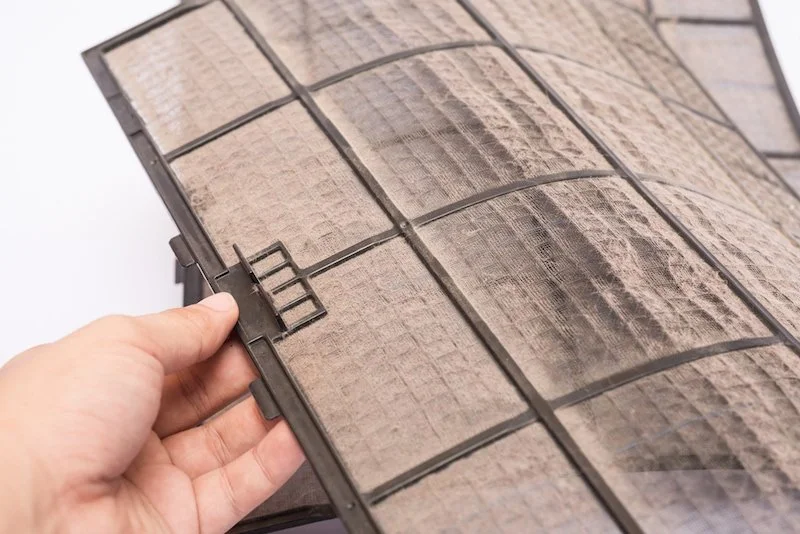
In Republic, frozen coils most often come from restricted airflow (dirty filter, blocked returns, weak blower) or low refrigerant from a leak. If you replace the filter and the coil still refreezes within a day or two, it’s time for a professional diagnosis.
A quick 3-part check that answers the question fast
You don’t need tools for this:
1) Check airflow at a vent.
If airflow is noticeably weak and the house isn’t cooling, that points toward a freeze-up.
2) Look for ice on the line/coil cabinet.
Ice almost always means the coil is freezing due to airflow or refrigerant issues.
3) Watch the “timing” of the leak.
Steady leak while running = drain system. Big puddle after shutdown = melting ice.
That combination is usually enough to identify the likely cause.
What you can safely do right now (and what you shouldn’t)
You should schedule professional help if:
the coil refreezes within a day or two
you suspect low refrigerant (hissing, oily residue, repeated icing)
the AC keeps leaking water even after drain clearing attempts
the leak is in a ceiling or near electrical components
breakers trip or you smell burning
These situations often involve airflow diagnostics, blower testing, drain system correction, or leak detection—things that require the right tools.
Conclusion
If your AC is leaking water in Republic, MO, the fastest way to identify the cause is to check timing + airflow + ice. Drain clogs tend to drip steadily while the system runs and often come with gurgling or musty odors. Frozen coils usually come with weak cooling, visible ice on AC lines, and a bigger leak when the ice melts after shutdown. Turn cooling off first, protect the area from water damage, and don’t restart the system repeatedly if icing is present.
If you want a clear diagnosis and a durable fix, Cole Heating and Cooling Services LLC can help. We handle everything from AC drain line clogs and condensate backups to frozen coil troubleshooting, airflow testing, blower issues, and refrigerant leak detection—so you’re not stuck repeating the same leak every week. For fast AC leak repair in Republic, MO, schedule service with Cole Heating and Cooling Services LLC and we’ll get your system draining and cooling the way it should.