Introduction
- The most common reasons behind an AC blowing warm air.
- Actionable steps to troubleshoot and fix the issue.
- Expert tips on preventing warm air problems in the future.
Understanding the Problem
Why Your AC Should Never Blow Warm Air
- Uncomfortable Living Conditions: Rising indoor temperatures can make your home unbearable, especially during summer.
- Higher Energy Costs: A malfunctioning AC works harder to meet the thermostat’s demands, wasting energy in the process.
- Reduced System Lifespan: Operating an inefficient system can strain components, leading to premature wear and tear.
Common Symptoms of AC Blowing Warm Air
- Weak airflow combined with warm air.
- AC runs continuously but doesn’t cool the space.
- An unusual increase in energy bills without changes in usage.
- Strange noises or odors emanating from the unit.
Reason 1: Thermostat Issues
The thermostat serves as the control center for your air conditioning system, dictating when and how the unit operates. If it’s not functioning correctly, it can easily cause your AC to blow warm air. Fortunately, thermostat-related issues are often simple to diagnose and fix.
Incorrect Thermostat Settings
- Common Mistakes:
- The thermostat is accidentally set to “Heat” instead of “Cool.”
- The fan is set to “On” instead of “Auto,” causing the system to blow uncooled air when the compressor isn’t running.
- Ensure the thermostat is set to “Cool” mode.
- Set the temperature lower than the current room temperature.
- Switch the fan setting to “Auto” so it only runs during cooling cycles.
Faulty Thermostat Components
- The thermostat screen is unresponsive or blank.
- The room temperature displayed on the thermostat doesn’t match the actual temperature.
- The AC cycles on and off erratically.
- Replace Batteries: If your thermostat runs on batteries, low power can cause it to malfunction. Replace them and see if the issue resolves.
- Calibrate the Thermostat: Older thermostats may lose calibration, which requires professional adjustment.
- Upgrade to a Smart Thermostat: Modern smart thermostats offer better accuracy, remote control, and energy-saving features.
When to Call a Professional
Reason 2: Refrigerant Problems
Refrigerant plays a vital role in your air conditioning system by absorbing heat from inside your home and releasing it outside. When refrigerant levels are low or a leak occurs, the cooling process is disrupted, causing your AC to blow warm air. This is one of the most common and serious issues that require immediate attention.
What Is Refrigerant and Why It Matters?
- How It Works:
- Inside the evaporator coils, refrigerant absorbs heat from indoor air, leaving cool air to circulate in your home.
- The heat-laden refrigerant then travels to the outdoor condenser unit, where it releases heat into the outside air.
Signs of Low Refrigerant Levels
- Warm Air Blowing from Vents:
- The most obvious sign is an inability to cool the air effectively.
- Ice Buildup on Coils or Refrigerant Lines:
- Low refrigerant causes evaporator coils to become too cold, resulting in ice accumulation.
- Hissing or Bubbling Sounds:
- These noises indicate a refrigerant leak, typically caused by cracks or damage to the refrigerant lines.
- Long Cooling Cycles:
- Your AC may run continuously without reaching the desired temperature.
Causes of Refrigerant Leaks
- Aging Equipment:
- Over time, wear and tear on the refrigerant lines can lead to cracks or small holes.
- Corrosion:
- Chemical reactions within the system, often from moisture, can corrode the metal tubing.
- Improper Installation:
- Poorly connected refrigerant lines or faulty components can cause leaks shortly after installation.
Why Refrigerant Problems Require Professional Help
- Locate and repair leaks using advanced detection equipment.
- Recharge the refrigerant to the correct level.
- Test the system to ensure it operates efficiently after repairs.
Reason 3: Dirty Air Filters or Coils
Dirty air filters and coils are some of the most common yet preventable causes of your air conditioner blowing warm air. These components play a critical role in airflow and heat exchange, and when they become clogged or dirty, the cooling process is significantly impaired.
- Effects of Dirty Air Filters:
- Reduced Cooling Efficiency: A clogged filter restricts airflow to the evaporator coils, causing the system to overheat and blow warm air.
- Higher Energy Bills: The system works harder to compensate for the restricted airflow, consuming more energy.
- Increased Wear and Tear: Over time, the additional strain can lead to mechanical failures.
- Every 1-3 months, depending on usage, the number of occupants, and whether you have pets or allergies.
Dirty Evaporator and Condenser Coils
- Symptoms of Dirty Coils:
- The AC struggles to cool your home.
- The system runs longer cycles or fails to reach the desired temperature.
- Ice may form on the evaporator coils.
- Outdoor Debris: Grass clippings, leaves, and dirt can settle on the condenser coils.
- Neglected Maintenance: Without regular cleaning, dirt builds up over time, reducing efficiency.
How to Address Dirty Filters and Coils
- For Air Filters:
- Inspect filters monthly during peak usage seasons.
- Replace or clean filters as needed (follow manufacturer recommendations for reusable filters).
- For Coils:
- Evaporator Coils: Schedule a professional cleaning if ice buildup or reduced cooling is observed.
- Condenser Coils: Ensure the outdoor unit is free of debris. You can use a coil cleaner or a soft brush to clean lightly soiled areas.
Preventive Maintenance to Avoid Future Problems
- Schedule annual tune-ups with an HVAC professional.
- Clear at least 2 feet of space around the outdoor unit to allow proper airflow.
- Replace filters more frequently in dusty environments or homes with pets.
Reason 4: Electrical or Mechanical Failures
Electrical and mechanical failures are another common reason why your air conditioner may be blowing warm air. These issues can arise from worn-out components, power surges, or even lack of regular maintenance, and they often require immediate professional attention.
Compressor Issues
- Signs of a Failing Compressor:
- Warm air blowing from vents even when the system is running.
- The outdoor unit makes strange noises, such as grinding or clanking.
- The AC shuts down or fails to start.
- Overheating: Caused by dirty coils, poor ventilation, or prolonged strain on the system.
- Electrical Issues: Power surges or short circuits can damage the compressor motor.
- Refrigerant Problems: Low refrigerant levels force the compressor to work harder, leading to failure.
Capacitor or Relay Problems
- What Do Capacitors Do?
- Start capacitors provide the initial boost of energy to get the compressor and fan motors running.
- Run capacitors maintain a steady flow of power to keep these components operational.
- The AC doesn’t turn on, or it turns off shortly after starting.
- The system hums but doesn’t cool.
- You hear clicking sounds when the AC tries to start.
Fan Motor Problems
- Signs of a Failing Fan Motor:
- No airflow from vents.
- The outdoor unit’s fan doesn’t spin, even though the system is on.
- Unusual noises, like squealing or buzzing, from the fan area.
- Worn-out bearings or belts.
- Dirt buildup that causes friction.
- Electrical problems, such as a blown capacitor.
When to Call a Professional
Reason 5: Ductwork Problems
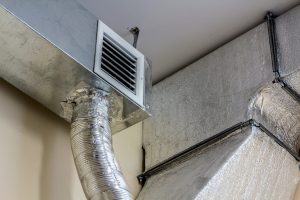
Your air conditioner relies on a network of ducts to distribute cooled air throughout your home. When something goes wrong with the ductwork, it can lead to warm air blowing from your vents, uneven cooling, and decreased energy efficiency. Although ductwork issues are less obvious than mechanical failures, they are a significant contributor to AC problems.
Leaky or Damaged Ducts
- Signs of Leaky Ducts:
- Warm air coming from vents even when the AC is running.
- Higher-than-usual energy bills.
- Dust buildup near vents or in rooms.
- Poor initial installation.
- Aging duct materials.
- Damage caused by rodents, pests, or structural shifts in your home.
Blockages in Ductwork
- Signs of Blockages:
- Some rooms feel significantly warmer than others.
- Reduced airflow from specific vents.
- Persistent dust or musty odors when the AC is on.
- Lack of regular cleaning and maintenance.
- Collapsed ducts due to structural damage.
- Foreign objects (e.g., insulation or debris) obstructing airflow.
Improperly Sized Ducts
- Undersized Ducts: Restrict airflow, causing the AC to work harder and blow warm air.
- Oversized Ducts: Lead to uneven cooling and wasted energy.
Conclusion
- Restore cool, consistent airflow.
- Prevent costly repairs or replacements.
- Improve energy efficiency and lower utility bills.