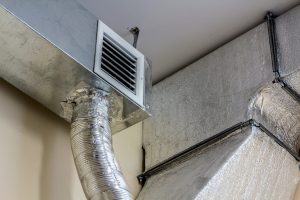
Over the winter, if your furnace isn’t heating your Hurley home, you should start by checking your thermostat settings, filter and breakers, since a dirty filter or wrong thermostat setting often cause loss of heat. Inspect vents, pilot/ignition and gas supply; a gas leak or carbon monoxide risk requires immediate action. Many problems are fixable quickly by routine maintenance or a licensed HVAC technician, but shut off systems and call a pro if you suspect danger.
Key Takeaways:
- Clogged filters and blocked vents reduce airflow – replace the filter, clear supply/return registers, and verify thermostat settings and batteries.
- Ignition, pilot light, or gas-supply issues can prevent heating – if you smell gas or the burner won’t light, turn off the system and call a licensed technician immediately.
- Blower motor, control-board failures, or lack of maintenance often require professional repair – schedule annual tune-ups to catch wear before it causes a breakdown.
Understanding Furnace Components
You should be familiar with burners, the heat exchanger, inducer motor, gas valve, blower, filter, and thermostat. The heat exchanger typically lasts 15-20 years and a cracked heat exchanger can leak carbon monoxide, so inspect for rust or hairline cracks. Filters need changing every 1-3 months; clogged filters reduce efficiency and accelerate wear. Newer furnaces run at 80-98% AFUE, and efficiency losses usually come from failing components or airflow restrictions.
Thermostat Issues
If your thermostat fails to call for heat, check batteries, setpoint, and the 24V C-wire; many digital models need that constant power. A miscalibrated thermostat can be off by 2-4°F, causing excess runtime or persistent discomfort. Short cycling, constant runtime, or a complete no call for heat scenario often points to wiring faults, sensor drift, or firmware bugs in Wi‑Fi models-recalibrate or replace when diagnostics show errors.
Blower Motor Functionality
The blower motor moves warm air through your ducts; most residential units are 1/10-1/2 HP, either direct-drive or belt-driven. When bearings wear or the start capacitor weakens, you’ll see reduced or no airflow, loud noise, or repeated limit-switch trips. Keep filters clean and vents open because restricted airflow raises heat exchanger temperatures and forces frequent cycling.
You can test the blower by measuring supply voltage (typically 120V) and checking motor amperage against the nameplate; a failing start capacitor often prevents startup and is cheaper to replace than the motor. In Hurley’s cold months, dust buildup and tight belts can increase amp draw and shorten motor life to under 8-10 years; cleaning the wheel and lubricating bearings can restore 10-20% of lost airflow. If you hear grinding or burning smells, shut the furnace off and call a pro-overheating can damage the heat exchanger.
Common Furnace Problems
When your furnace runs but your home stays cool, you’ll usually find issues like dirty filters, ignition failures, or thermostat faults; inspect filters first and verify the furnace actually lights. For deeper diagnostics and local case studies, see The Most Common Reasons Your Furnace Isn’t Heating …
Dirty Filters
If your airflow feels weak, a clogged filter is often the reason-change disposable filters every 1-3 months depending on pets and dust. Reduced airflow forces the blower to work harder, can shorten fan motor life, and may cut heating performance noticeably; a heavily loaded filter can drop output and raise energy use, so inspect monthly during peak season.
Ignition Failures
Modern furnaces use electronic igniters or intermittent pilots that can fail after 5-10 years, leaving the burner unlit even though the blower runs. You’ll notice repeated clicking, a cold furnace, or a furnace that starts then shuts down; if the flame appears yellow instead of blue, that signals incomplete combustion and needs prompt attention.
When an igniter or gas control fails, reset attempts may work briefly but replacement is common; igniter swaps typically run in the low hundreds of dollars and take an HVAC tech under an hour. You should avoid prolonged operation with suspected ignition faults-turn off the unit if you smell gas and call a professional, since incomplete combustion risks carbon monoxide and requires immediate corrective service.
Temperature Limit Switch
Signs & Actions
When the high-temperature limit switch senses excessive heat (about 200-250°F), it shuts the burner to protect the heat exchanger. You’ll often notice intermittent heating or immediate shutdowns after startup. If trips repeat, it usually signals restricted airflow-dirty filters, blocked vents, or a failing blower-causing surface temperatures to spike. Technicians test continuity with a multimeter and may replace the switch; a one-time manual reset can restore operation, but repeated trips indicate dangerous overheating or a cracked heat exchanger.
Common Symptoms and Actions
| Symptom | What you should do |
|---|---|
| Furnace shuts off quickly after ignition | Check your filter and vents; clean or replace filter within 30 days if dirty, then retest. |
| Repeated limit trips | Do not run the furnace; call a pro-risk of cracked heat exchanger and CO leak. |
| No heat, switch open | Have a technician test with a multimeter and replacement usually restores heating; part cost typically $50-$150. |
Fuel Supply Issues
If your furnace stops heating, start by isolating the fuel path: meter, shutoff valve, regulator and breaker. Natural gas furnaces typically need about 7″ water column (≈0.25 psi) at the inlet; propane systems use roughly 11″ WC. You might see a closed service valve, an empty propane tank, or a frozen regulator in subzero Hurley weather-each will drop pressure and stop combustion instantly.
Gas Supply
Check your gas meter and the yellow or black shutoff near the furnace first; many service calls are caused by a closed valve or an empty tank. If you smell rotten eggs (mercaptan), evacuate and call the utility or 911-this is a gas leak emergency. Utilities in rural Missouri sometimes cut service for unpaid bills or line repairs, so confirm supply with your provider when pressure seems low.
Electrical Supply
Many furnaces fail from simple electrical faults: a tripped 15A-20A breaker, a blown fuse, or a disconnected thermostat wire. Your furnace needs 120VAC for fans and a 24VAC control circuit from the transformer; a loss on either side stops ignition or blower operation. Resetting a tripped breaker often restores service, but frequent trips indicate a deeper wiring, motor, or control-board issue.
Diagnose electrical faults by measuring voltage: confirm ~120VAC at the furnace power terminals and ~24-28VAC between the transformer’s R and C; readings below ~18VAC commonly cause lockouts and erratic behavior. Technicians often find a failing transformer or a shorted blower motor-replacing the component fixed intermittent outages in multiple Hurley homes. Service work involves shock and fire hazards, so shut power off or call a pro if you’re unsure.
Maintenance Tips for Preventing Heating Issues
Routine Checks and Best Practices
You should change furnace filters every 1-3 months and vacuum vents monthly to keep heating airflow optimal; replace pleated filters (MERV 8-13) after heavy pollen events. Schedule an annual professional tune-up – technicians can spot carbon monoxide leaks and silent failures. If your home in Hurley, MO loses heat unevenly, balance dampers or add zone controls. Knowing you reduced emergency repairs and lengthened equipment life.
- Change furnace filters every 1-3 months (MERV 8-13 recommended).
- Schedule annual maintenance with a licensed tech to test combustion, safety controls, and CO detectors.
- Inspect ductwork and zones before winter in Hurley, MO to fix leaks and balance airflow.
When to Call a Professional
Signs You Need an Expert
If your furnace is more than 15 years old, shows uneven room temperatures by over 10°F, or repair estimates exceed 50% of replacement cost, call a pro. Also contact immediately if you detect a gas smell, your carbon monoxide detector sounds, or you see a yellow, sooty flame-these suggest hazardous combustion or a cracked heat exchanger. A trained technician can diagnose clogged burners or a failing inducer motor; routine tune-ups often restore 10-20% efficiency and extend service life.
To wrap up
If your furnace is not heating your home in Hurley, MO, the cause is often something simple like a clogged filter, thermostat issue, or blocked airflow, but it can also signal more serious problems such as ignition failure, electrical faults, or unsafe combustion. Addressing furnace problems early helps restore comfort faster, prevents higher heating bills, and reduces the risk of system damage or carbon monoxide exposure. Regular inspections, filter changes, and timely repairs are the most reliable ways to keep your heating system running safely and efficiently throughout the winter.
Trusted Furnace Repair in Hurley, MO
When basic checks do not restore heat or when safety is a concern, professional service is the safest next step. Cole Heating and Cooling Services LLC provides reliable furnace repair in Hurley, MO, helping homeowners resolve heating issues quickly and correctly. Our licensed HVAC technicians diagnose furnace problems accurately, repair failed components, and ensure your system operates safely and efficiently during Missouri’s cold months.
Whether your furnace is blowing cold air, shutting off unexpectedly, or not turning on at all, our team is ready to help with dependable heating repair services in Hurley, MO. Contact Cole Heating and Cooling Services LLC today to schedule professional furnace service and keep your home warm, safe, and comfortable all winter long.