Introduction
- Learn actionable steps to quickly troubleshoot your AC system.
- Understand common causes of AC failure and how to address them.
- Discover temporary cooling solutions to stay comfortable while waiting for repairs.
- Find out how to prevent future breakdowns with proper maintenance.
Immediate Steps to Take When Your AC Stops Working
When your air conditioner suddenly stops working, it’s easy to panic, but the first step is to stay calm and methodically troubleshoot the system. Many issues can be resolved with simple fixes, so it’s important to identify the problem before calling for professional help.
Check the Thermostat Settings
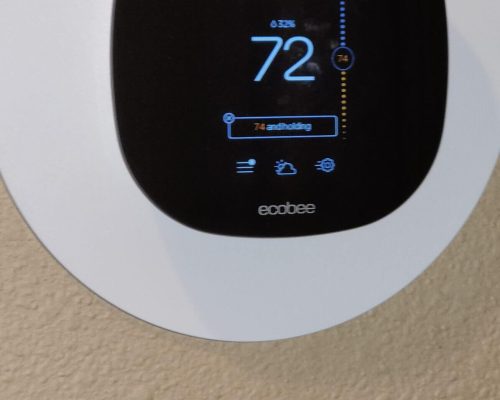
- Ensure the Thermostat is Set to “Cool”
- It might sound basic, but sometimes thermostats are accidentally switched to “Heat” or “Fan Only” mode.
- Double-check that the setting is on “Cool” and that the temperature is set lower than the current room temperature.
- Inspect the Batteries (if applicable):
- Many digital thermostats run on batteries, and low power can cause them to malfunction. Replace the batteries and reset the thermostat.
Inspect the Circuit Breaker
- Locate the Breaker Panel:
- Find your home’s electrical panel, which controls the circuits for all appliances, including your AC unit.
- Check for a Tripped Breaker:
- If the breaker controlling your air conditioner is in the “Off” position or halfway between “On” and “Off,” it has likely tripped due to an electrical overload.
- Reset the Breaker Safely:
- Turn the breaker all the way off, then switch it back to the “On” position.
- If the breaker trips again immediately, do not reset it repeatedly—this indicates a deeper electrical issue that requires professional attention.
Clean or Replace the Air Filter
- Check the Filter Condition:
- Clogged air filters can restrict airflow, causing the system to overheat and shut down.
- Inspect your filter for visible dirt and debris.
- Replace the Filter:
- If the filter is disposable, replace it with a new one (preferably a high-efficiency filter).
- If it’s reusable, clean it according to the manufacturer’s instructions.
Look for Visible Issues Around the Unit
- Inspect the Outdoor Unit:
- Ensure that the area around your condenser unit is clear of debris, such as leaves or grass clippings, which can obstruct airflow.
- Check for Ice Buildup:
- Ice on the evaporator coils or refrigerant lines can indicate a problem with airflow or refrigerant levels.
- Listen for Unusual Noises:
- Rattling, buzzing, or clicking sounds may point to loose components or electrical issues.
Common Reasons for AC Failure During Summer
Understanding why your air conditioner has stopped working is essential for determining the best course of action. AC failures are often linked to common issues that tend to occur under the stress of summer heat.
Overheating of the AC Unit
- Signs of an Overheating AC:
- The unit cycles on and off frequently (short cycling).
- Warm air blows from the vents.
- The outdoor unit feels excessively hot to the touch.
- Solution: Ensure the outdoor unit has sufficient ventilation by clearing away debris and checking the fan. Avoid running the AC at extremely low temperatures for extended periods.
Refrigerant Leaks
- Signs of Low Refrigerant Levels:
- Ice buildup on the evaporator coils or refrigerant lines.
- Hissing or bubbling sounds near the outdoor unit.
- The AC runs continuously but doesn’t cool effectively.
- Solution: Only a licensed technician can repair refrigerant leaks and recharge the system. Regular maintenance can help identify leaks before they become severe.
- Signs of an Overheating AC:
- The unit cycles on and off frequently (short cycling).
- Warm air blows from the vents.
- The outdoor unit feels excessively hot to the touch.
- Solution: Ensure the outdoor unit has sufficient ventilation by clearing away debris and checking the fan. Avoid running the AC at extremely low temperatures for extended periods.
Faulty Components
- Compressor Issues:
- The compressor is the heart of your AC system, circulating refrigerant between the indoor and outdoor units. A faulty compressor can result in no cooling at all.
- Capacitor Failure:
- Capacitors provide the electrical boost needed to start the compressor and fans. A blown capacitor can prevent the AC from turning on.
- Fan Problems:
- The outdoor unit’s fan helps release heat. If the fan isn’t working, the system may overheat.
Electrical Problems
- Burnt-out wires or connections.
- Malfunctioning relays or contactors.
- Tripped breakers due to overloads.
Dirty Coils or Filters
- Symptoms of Dirty Coils or Filters:
- Weak airflow from vents.
- Higher energy bills despite normal usage.
- Solution: Regularly replace filters and schedule professional cleaning for the evaporator and condenser coils.
Temporary Cooling Solutions While Waiting for Repairs
When your air conditioner stops working in the middle of summer, staying cool becomes a top priority. While you wait for professional repairs, there are several steps you can take to maintain a comfortable and safe indoor environment.
Create Cross-Ventilation
- How to Create Cross-Ventilation:
- Open windows on opposite sides of your home to allow air to flow freely.
- Use box or window fans to draw hot air out and pull cooler air in.
Pro Tip: Position fans to blow air outward on the sunlit side of your home and inward on the shaded side for maximum cooling efficiency.
Block Out Heat Sources
- Tips for Blocking Heat:
- Close curtains, blinds, or shades, especially on windows facing direct sunlight.
- Use blackout curtains to minimize heat gain during the hottest parts of the day.
- Turn off heat-generating appliances like ovens, stoves, and unnecessary lights.
Use Portable Cooling Devices
- Options to Consider:
- Portable Air Conditioners: Small units that can cool individual rooms.
- Evaporative Coolers: Effective in dry climates; they use water evaporation to cool air.
- Fans: Ceiling fans, tower fans, and desk fans help circulate air and create a wind-chill effect.
Device | Best Use Case | Cooling Efficiency |
Portable air conditioner | Small to medium rooms | Moderate to high |
Evaporative cooler | Dry climates | High in low-humidity areas |
Ceiling or box fan | General air circulation | Moderate (for perceived cooling) |
Relocate to Cooler Areas if Necessary
- Find air-conditioned spaces such as malls, libraries, or community centers.
- Spend time in shaded outdoor areas or near water features like pools or fountains.
How to Prevent AC Failures in the Future
While AC failures can feel inevitable during the summer’s peak heat, many issues can be avoided with proper maintenance and care. By taking proactive steps, you can ensure your air conditioner remains reliable and efficient, saving you time, money, and discomfort.
Schedule Regular Maintenance
- What’s Included in Professional Maintenance:
- Cleaning evaporator and condenser coils.
- Checking refrigerant levels and detecting leaks.
- Inspecting and lubricating moving parts.
- Testing electrical components for safety.
Replace Air Filters Frequently
- How Often to Replace Filters:
- Every 1–3 months during heavy usage periods.
- Monthly if you have pets, allergies, or live in a dusty area.
Monitor Refrigerant Levels and Ductwork
- Refrigerant Levels:
- Low refrigerant levels strain the compressor, one of the most expensive components to repair or replace.
- Have a professional check and recharge refrigerant during maintenance visits.
- Ductwork Inspection:
- Leaky ducts can reduce system efficiency by up to 30%, wasting energy and money.
- Seal and insulate ducts to prevent air loss and maintain consistent cooling.
FAQs About AC Problems in Summer
When your air conditioner stops working, you likely have questions about the cause and solutions. Below are answers to some of the most frequently asked questions about AC problems during the summer.
Why does my AC stop working when it’s hot outside?
- Overheating: High outdoor temperatures can cause the system to shut down as a safety measure.
- Dirty Coils or Filters: Restricted airflow makes it harder for the system to cool efficiently.
- Refrigerant Issues: Low refrigerant levels can reduce the cooling capacity.
Can I fix a refrigerant leak on my own?
- Refrigerants are regulated substances, and handling them without proper certification can be dangerous and illegal.
- A technician will repair the leak and recharge the system to the correct level.
Pro Tip: If you notice ice buildup or hear hissing sounds, call a licensed HVAC technician immediately.
Should I replace my AC if it frequently breaks down?
- Benefits of Upgrading:
- Reduced energy bills with a more efficient system.
- Fewer breakdowns and lower maintenance costs.
- Improved cooling performance.
What are the signs that I need professional AC repair?
- The system isn’t cooling effectively.
- You hear unusual noises like banging, grinding, or hissing.
- There’s a sudden spike in your energy bills.
- Water or refrigerant is leaking from the unit.